
Your basket is currently empty!


Teenagers – RYA Day Skipper Practical Course
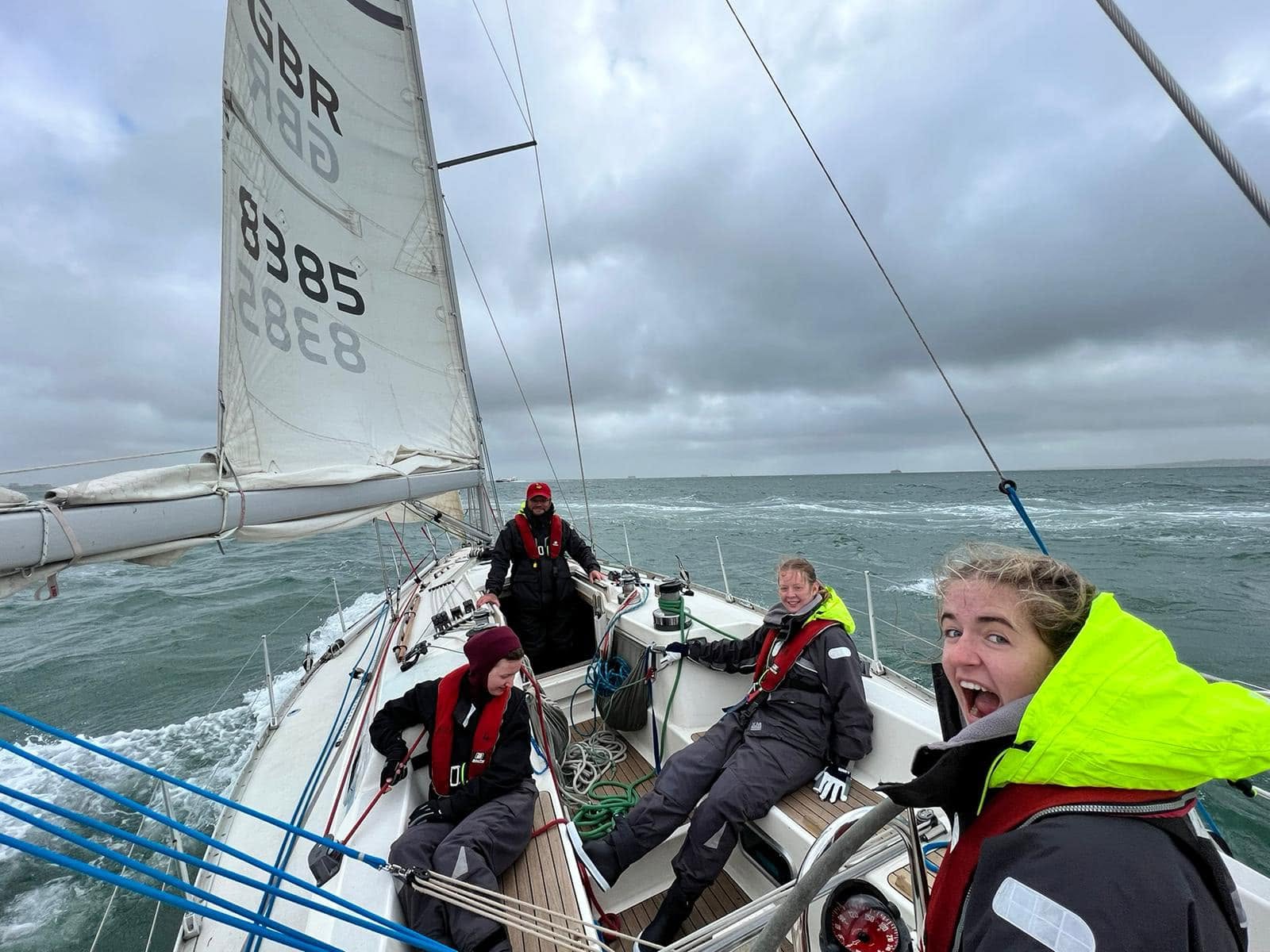
The Teenagers RYA Day Skipper Practical Course is designed for confident young sailors who are ready to progress from being a capable crew member to taking charge of a cruising yacht.
During this five-day practical sailing course, students learn how to plan and skipper short passages, manage a yacht and its crew, make safe decisions and handle the boat under both sail and power. Each participant will take turns acting as skipper while receiving close guidance, coaching and support from an experienced RYA instructor.
This is an active, hands-on course. Students will be involved in preparing the yacht for sea, checking the weather and tides, planning passages, navigating, entering and leaving harbours, manoeuvring in marinas, handling sails and responding to emergency situations. They will also learn how to communicate clearly with their crew, allocate tasks and remain aware of the safety of everyone on board.
Operating from Hamble Point Marina, the course provides an excellent opportunity to develop skippering skills in the varied tidal waters of the Solent and surrounding cruising area. The itinerary will be adapted to the weather, tides and ability of the crew so that students gain the most useful and rewarding experience possible.
Night sailing will normally be included, subject to weather and operational conditions. This introduces students to navigation and pilotage after dark and helps them understand how familiar features, lights and buoyage appear at night.
By the end of the course, successful students should be capable of skippering a small cruising yacht safely by day in familiar waters. The RYA Day Skipper Practical certificate is awarded through continuous assessment rather than a final examination.
Who is the course for?
This course is suitable for teenagers who:
are at least 16 years old;
already have good basic sailing and crewing skills;
are confident helming and handling sails;
have completed the RYA Day Skipper Shorebased course or possess equivalent navigation knowledge;
want to develop the confidence and judgement required to take charge of a yacht;
are working towards becoming more independent recreational sailors.
Our youth courses are normally intended for students aged 16–17 at Day Skipper level. Students who are 18 but remain in Year 13 or equivalent full-time school education may also be able to attend alone or alongside friends from the same school year.
Life aboard the yacht
The practical course is normally run as a five-day liveaboard experience. Students become part of the working crew and take an active role in sailing, navigation, preparing meals, keeping the yacht organised and completing everyday onboard duties.
Living and working together aboard a yacht encourages responsibility, teamwork, communication and independence. It is a demanding but highly rewarding experience that gives young sailors the opportunity to put their existing knowledge into practice in a genuine cruising environment.
Course fees include
Accommodation aboard the yacht
Meals on board from lunchtime on the first day
Use of required safety equipment
Mooring and harbour fees
A barbecue ashore, when practical
RYA course completion certificate for successful students
Students need only bring their personal sailing kit, suitable clothing, a small amount of spending money and plenty of enthusiasm.
Day Skipper theory knowledge
Students must already possess navigation and theory knowledge to RYA Day Skipper Shorebased standard before attending.
Those who have not yet completed the theory course may prefer the nine-day Teenagers Combined RYA Day Skipper Course, which combines shorebased training with the practical course in one continuous programme.
Duke of Edinburgh’s Award
The five-day residential format is suitable for the Gold Duke of Edinburgh’s Award Residential section, subject to prior approval from the participant’s DofE Supervisor and confirmation that the individual booking meets the relevant DofE requirements.
Reservations can be made over the phone by contacting our bookings office on office on 02380 457733.
Pre-course Experience
The RYA Day Skipper Practical Course is not a beginner’s course. Students should arrive as confident and useful members of a yacht’s crew who are ready to begin taking responsibility for the boat and the people aboard it.
The minimum pre-course experience is:
- 5 days aboard a sailing yacht
- 100 nautical miles
- 4 night hours
- Basic sailing ability
- Navigation and theory knowledge to RYA Day Skipper Shorebased standard
- Minimum age: 16
These are minimum requirements. Many young sailors benefit from gaining additional practical experience before attending, particularly if their previous sailing has been limited to a single Competent Crew course.
Before joining the course, students should be able to:
- steer accurately under sail and power
- understand the basic points of sail
- trim sails effectively
- take an active role during tacking and gybing
- recognise and avoid an accidental gybe
- reef and shake out reefs in the correct sequence
- use winches, clutches and jammers safely
- prepare warps and fenders
- help bring a yacht safely alongside
- tie the principal knots used aboard a cruising yacht
- follow instructions promptly and work confidently as part of a crew.
Students must also have sufficient theoretical knowledge to understand charts, tides, buoyage, weather forecasts, collision regulations, position fixing, course to steer, pilotage and basic passage planning.
The practical course is highly active and leaves limited time for teaching shorebased navigation from the beginning. Students who have not yet reached the required theory standard should complete the RYA Day Skipper Shorebased course or book the combined theory and practical programme before attending.
Parents or students who are uncertain whether their experience is sufficient are encouraged to discuss their sailing background with BOSS before booking.
Itinerary
The itinerary below provides an example of how the course may operate. Sailing courses are necessarily affected by weather, tides, harbour availability and the needs of the students. The instructor may therefore alter the programme to provide the safest and most valuable training experience.
Day 1 – Joining the Yacht and Initial Assessment
Students arrive at BOSS at Hamble Point Marina, meet their instructor and fellow crew members, and move their personal equipment aboard.
The opening session includes:
- allocation of bunks and stowage of personal kit
- yacht and safety briefing
- preparation of the yacht for sea
- familiarisation with deck equipment and onboard systems
- practice using warps and fenders
- leaving and returning to a pontoon
- an assessment of existing helming, sail handling and crewing skills.
The yacht will normally depart for an afternoon sail before entering a Solent harbour for the first night. The evening includes a review of the day, preparation for the following passage and an opportunity to practise essential knots and seamanship.
Day 2 – Passage Planning and Night Sailing
Students begin to take a greater role in planning and running the yacht. The day may include:
- obtaining and interpreting weather forecasts
- checking tides and tidal streams
- preparing a short passage plan
- steering compass courses under sail and power
- man-overboard recovery practice
- anchoring and weighing anchor
- maintaining a proper lookout
- keeping a navigational record
- entering or leaving harbour under the direction of a student skipper.
A night sail will normally take place during the course when weather and circumstances permit. This introduces light characteristics, buoyage at night, position monitoring and the practical challenges of pilotage after dark.
Day 3 – Skippering Experience
Students take turns acting as skipper during a longer passage. Each student will be expected to brief the crew, allocate tasks and make decisions under the supervision of the instructor.
Training may include:
- preparation of the yacht and crew
- execution of a passage plan
- pilotage out of harbour
- sail selection and reefing decisions
- position fixing using visual and electronic methods
- monitoring weather, traffic and tidal conditions
- responding to changing circumstances
- harbour entry and berthing.
The evening is used to review each student’s decisions and identify areas for further development.
Day 4 – Boat Handling and Developing Command Skills
The fourth day normally concentrates on consolidating practical boat-handling and skippering skills.
Students may practise:
- marina manoeuvres under power
- approaching and leaving alongside berths
- picking up mooring buoys
- anchoring
- handling the yacht in confined water
- communicating instructions clearly
- managing crew during tacking, gybing and reefing
- dealing with simulated emergency situations.
When circumstances allow, the crew may enjoy some time ashore and a barbecue during the evening.
Day 5 – Final Passages and Course Completion
On the final day, students have further opportunities to demonstrate their developing skippering ability during the return passage to Hamble.
The day may include:
- final passage planning and pilotage exercises
- boat handling under sail and power
- navigation and position monitoring
- crew management
- emergency procedure revision
- return to Hamble Point Marina
- securing, cleaning and leaving the yacht
- completion of logbooks
- individual instructor feedback.
Successful students will be awarded the RYA Day Skipper Practical course completion certificate before departure.
Course Syllabus
RYA Day Skipper Shore Based Syllabus
The Teenagers RYA Day Skipper Practical Course develops the practical skills, judgement and confidence required to take charge of a cruising yacht on short passages by day in familiar waters.
Training is delivered through practical exercises, coached skippering and continuous assessment throughout the course.
Preparation for Sea
Students will learn how to prepare the yacht and crew for a passage, including
- Carrying out engine and equipment checks
- Obtaining and interpreting weather forecasts
- Checking tides and tidal streams
- Selecting suitable sails
- Securing and stowing equipment
- Preparing safety equipment
- Briefing the crew
- Considering the limitations of the yacht and crew
Seamanship and Deck Work
Practical deck work includes
- Reefing and shaking out reefs
- Changing sails to suit the conditions
- Preparing anchors and mooring equipment
- Handling warps and fenders
- Coming alongside
- Picking up and leaving mooring buoys
- Anchoring and weighing anchor
- Using ropes, winches, clutches and deck equipment safely
Practical Navigation
Students will apply their shorebased knowledge while under way, including
- Taking and plotting visual fixes
- Using electronic navigation equipment
- Monitoring waypoints
- Calculating and maintaining a course to steer
- Allowing for tidal stream, leeway and drift
- Estimating tidal heights
- Using charts and navigational publications
- Maintaining an accurate navigational record
- Checking the yacht’s position using more than one source
Pilotage
Students will prepare and carry out pilotage plans for entering and leaving harbours.
Training may include
- Identifying navigational hazards
- Using transits and leading lines
- Using clearing bearings
- Interpreting buoyage and light characteristics
- Using soundings and depth information
- Monitoring progress through confined or unfamiliar waters
- Pilotage by day and, when conditions allow, at night
Meteorology
Students will develop their ability to
- Obtain forecasts from suitable sources
- Understand the terminology used in marine forecasts
- Recognise how weather conditions affect the yacht and passage
- Use a barometer to help monitor changes in the weather
- Make safe decisions when conditions differ from the forecast
Collision Regulations
Students should demonstrate a working knowledge of the International Regulations for Preventing Collisions at Sea, including
- Maintaining a proper lookout
- Assessing the risk of collision
- Understanding the responsibilities between vessels
- Taking appropriate action to avoid collision
- Navigating safely in channels and areas of heavy traffic
- Recognising navigation lights, shapes and sound signals
Yacht Handling Under Power
Students will practise manoeuvring a cruising yacht safely under power, including
- Leaving and approaching alongside berths
- Turning in confined spaces
- Understanding the effects of wind and tide
- Using propeller effects to assist manoeuvring
- Approaching mooring buoys
- Approaching an anchorage
- Briefing and directing the crew
Yacht Handling Under Sail
Training under sail may include
- Helming on all points of sail
- Trimming sails effectively
- Tacking and gybing
- Reefing
- Controlling speed and direction
- Approaching moorings or anchorages under sail where appropriate
- Selecting a suitable sail plan for the conditions
Passage Making and Responsibility as Skipper
Each student will be given opportunities to take charge of the yacht during short passages.
The role of skipper includes
- Preparing a practical passage plan
- Assessing the weather, tides and navigational hazards
- Considering the strength and experience of the crew
- Allocating tasks
- Giving clear instructions
- Monitoring the progress of the passage
- Adapting the plan when circumstances change
- Maintaining the safety and wellbeing of the crew
Emergency Procedures
Students will discuss and practise the correct response to emergencies, including
- Recovering a person overboard
- Using distress equipment
- Making emergency VHF calls
- Understanding the use of liferafts and flares
- Securing and receiving a tow
- Responding to fire or flooding
- Dealing with engine failure
- Responding to grounding
- Understanding rescue and helicopter procedures
Engines and Basic Maintenance
The course introduces routine engine checks and common onboard maintenance tasks, including
- Checking oil, coolant and fuel
- Understanding the engine cooling system
- Recognising common engine problems
- Changing filters and an impeller
- Understanding how a diesel fuel system is bled
- Using tools and spare equipment safely
Course Outcome
A successful student should be able to take charge of a small cruising yacht and its crew on short passages by day in familiar waters. They should demonstrate suitable practical sailing, navigation, seamanship, leadership and decision-making skills.
From: £850
Additional Information
If you are unsure whether you have the appropriate level of experience for this course, please contact us before booking. We will be happy to discuss your previous sailing experience and help you decide whether the course is suitable.

Everything You Need Before You Sail
Get your joining pack for practical details, what to bring, and what to expect on your course.
Similar Cruises
Similar Courses
-
 5 DAYS
DofE Residential – RYA Day Skipper Course
A five-day liveaboard sailing course for teenagers aged 16–17, combining the Gold DofE Residential experience with practical RYA Day Skipper training.
From £
850
 : DofE Residential – RYA Day Skipper Course
 -
 5 DAYS
Teenagers Competent Crew Course
This is the entry level cruising course for teenagers. This course is aimed at those aged 14 -17 years old.
From £
850
: Teenagers Competent Crew Course -
5 DAYS
Teenagers Yachting Course
Our five day youth sailing courses are aimed at teenagers who want to get afloat and learn to sail a cruising yacht. RYA Competent Crew…
From £
850
: Teenagers Yachting Course
FAQs
Find out answers to frequently asked questions
No previous sailing experience is needed. The RYA Competent Crew course is designed for complete beginners, and your instructor will guide you through everything step by step. By the end of the course, you should feel confident helping to sail the yacht, handling ropes, steering and taking part in everyday life on board. All you need to bring is a willingness to learn and get involved. visit our Training or Learn to Sail page for skill‑level requirements.
We recommend comfortable clothing, non‑slip shoes, sunscreen, and any personal items you may need. A full checklist is available on our Preparation page.
Our cancellation and refund terms are outlined on the Terms & Conditions page. If you have questions about rescheduling, our Contact page is the best place to get quick assistance.
We provide a range of sailing experiences including private charters, training, and corporate events.
Need help?